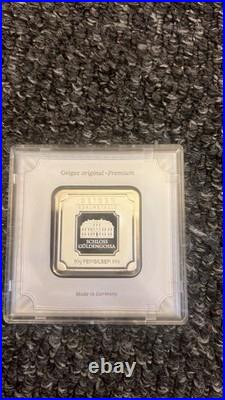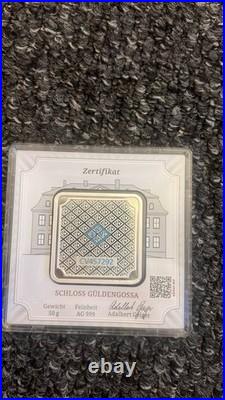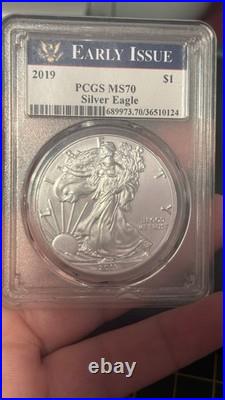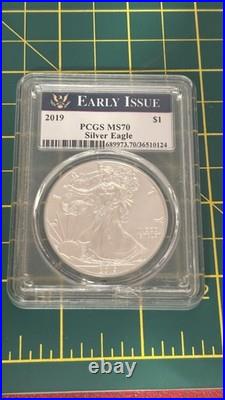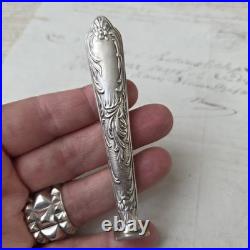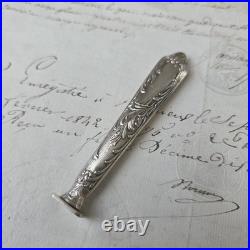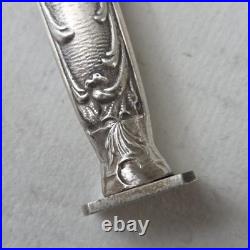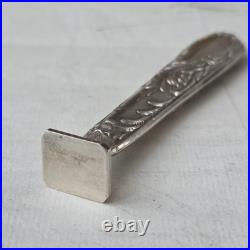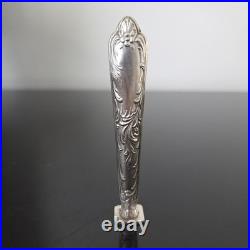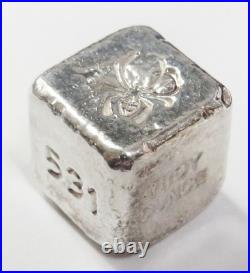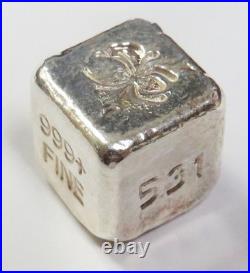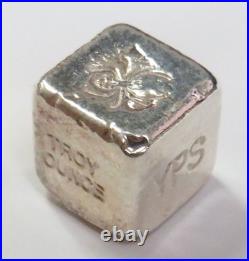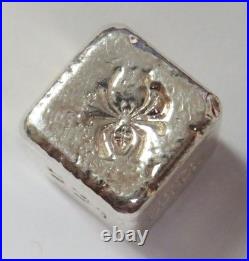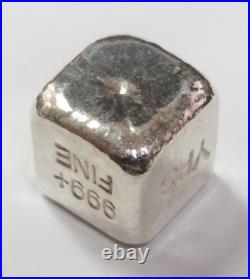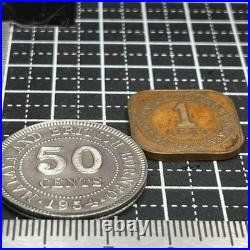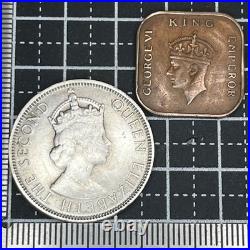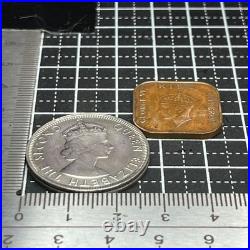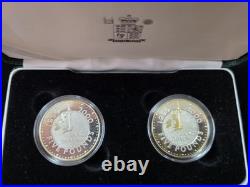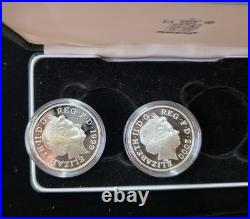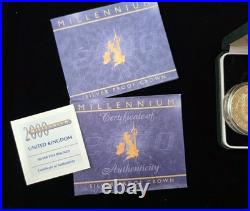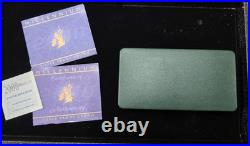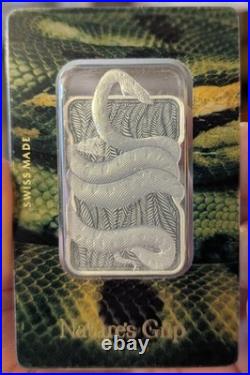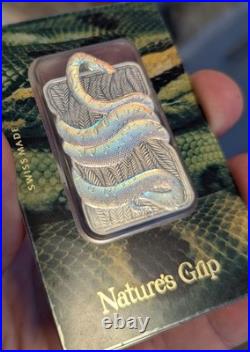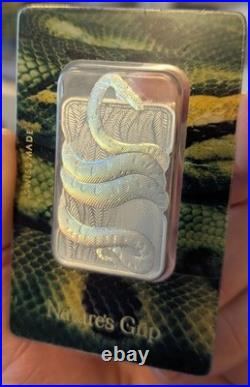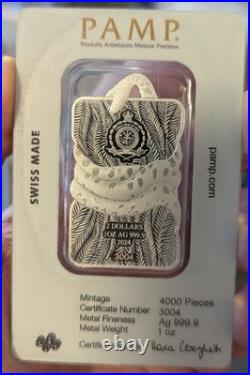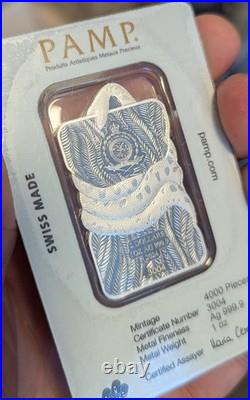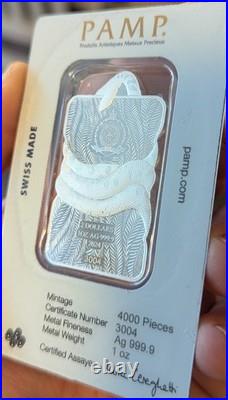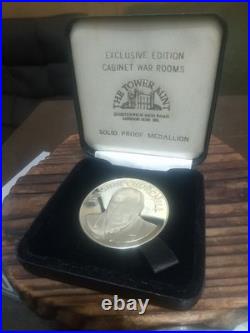
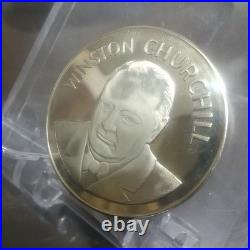
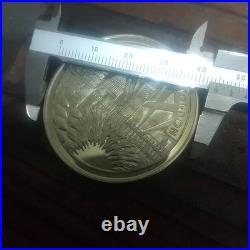
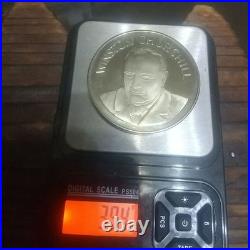
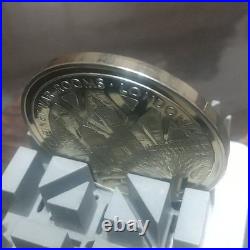
Medal Winston Churchill solid proof commemorative The Tower Mint with special ca. Vintage item with a polished, shiny finish. The exact material and condition are unclear; please review the enlarged photos for details. Country/Region of Manufacture: United Kingdom (London). California Prop 65 Warning. Adult Craft Items Intended for Ages 13 and Up. Many buyers think DDU (Delivered Duty Unpaid) looks cheaper at first. Thank you very much for your understanding and for shopping with confidence. Thank you for taking a look at the item we are listing. This item is a used item. It would be great if you could take a look at those as well. We will do our best to find the item you want. Also, if it’s for Japanese old medal, it is for collectible purposes only. Please note that its shape may be slightly altered due to compression. Also, some non-related items may appear in the photos for display purposes only. Only the listed item will be sent to you. Thank you for your understanding. All Toys, Keychain, Action Figures, Other Animation Merchandise For ages 14 and up? Adult Collectible Intended for Ages 14 and Up? Adult Craft Items Intended for Ages 14 and Up Button/coin batteries can cause severe injuries or even death when swallowed. Keep batteries out of reach of children. If you suspect a child has swallowed or inserted a button/coin battery, seek medical attention immediately. Please prepare the appropriate battery separately. In the event of any delays, rest assured that we will investigate and take responsibility. Thanks for taking a look at our products. We hope you will consider them. It may be making you uncomfortable. But don’t worry. We will provide courteous and responsive service. We also have a variety of other products for sale. We hope you will take a look at those as well. We will search for it on your behalf. All of the products we sell are cleaned and disinfected during inspection. We hope you will consider purchasing our products. There is an inquiry button at the top. Please understand this before purchasing the product. Please refer to the following for more information. We will respond to your inquiry within 24 hours. Our working hours are from 10:00 to 20:00 Japan time. Once you have received your item, please leave feedback for us, as this will let us know that you have received your item. In case of damage, please be sure to take pictures of the following items and send them to us: 1. Photograph of the entire item 2. Photograph of the damaged part 3. A photo of the condition of the cushioning material in the package 4. A photo of the condition of the cardboard box it arrived in. This can be changed for an additional charge. Estimated arrival time in Economy Asia: 2 to 3 weeks Oceania: 2 weeks North America: 2-3 weeks Middle East: 2-3 weeks Europe: 2-3 weeks It may take longer than the estimated arrival date due to carrier and traffic conditions in each region. Subject to change on a daily basis. Please take a good look at the pictures listed and be sure to review our sales policy before purchasing. Also, the product must be in its original condition, including box packaging and all accessories. Please check the images for details. There may be scratches or deterioration that cannot be seen in the pictures. There may be a slight smell attached to the product. Please understand these items before purchasing. About items for sale such as clothes, shoes, and accessories There may be listings with no size information at the time of sale. The sizes listed may be Japanese sizes. Regarding electrical appliances and other items for sale: We sell electrical appliances that operate on Japanese voltage. Please convert the voltage to that of the country in which you will be using the product before using it. Using a transformer will solve this problem. About the sale of serial codes, etc. We will send you a piece of paper that actually contains the serial code. Statement on Legal Compliance and Quality Assurance for the Sale of Used Goods. This ensures the provenance and quality of each product. We strictly adhere to the following practices: Legal Compliance: The products we handle comply with the Lanham Act, Common Law infringement, Unfair Competition Prevention Laws, and equivalent laws in other countries. This is because we thoroughly verify the origin and rights of each product and seek legal advice when necessary. Quality Assurance: We rigorously clean and disinfect all items before listing them for sale and conduct quality control checks. This guarantees that we provide safe, high-quality products to our customers. Transparency and Responsibility: If it’s brought to our attention that any of our listings may violate the aforementioned laws, we will promptly investigate and take the necessary actions. Moreover, we commit to promptly correcting any misinformation and maintaining transparency. If you encounter such issues, please contact our administration. We promise to address your concerns with courtesy and professionalism. Customer Engagement: We always respond courteously and promptly to customer feedback and inquiries. We are committed to ensuring that our customers can shop with confidence and enjoyment.