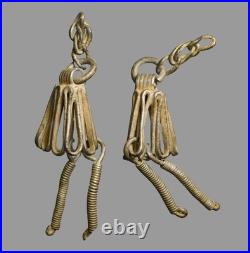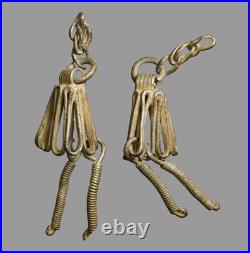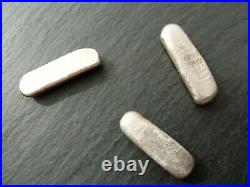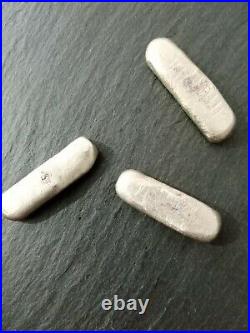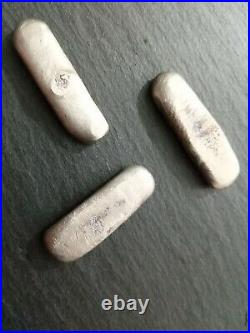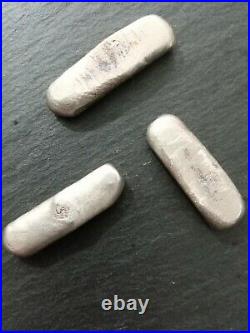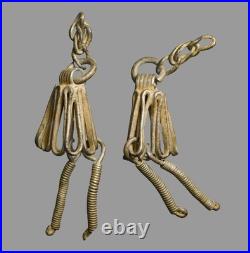


As with all items in this collection, this artifact is. And will be accompanied by a. Certificate of Authenticity and Provenance. Detailing typology, dating, region, and collection history. Authenticity Notice This artifact is certified authentic and will be accompanied by a Certificate of Authenticity and Provenance. Overview: An exquisite and rare solid silver Viking Age pendant, recovered from a Germanic context. This 55mm artifact showcases advanced Norse silversmithing, featuring a conical head formed by looped silver ribbons, finished with two elongated pendants of tightly coiled silver wire. These “tassel” or “rattle” pendants were high-status accessories worn by Viking and Germanic women, often suspended from brooch chains. The motion of the coiled silver elements was intended to create a subtle sound, believed to ward off evil spirits. The use of high-purity silver wire is consistent with the wealth and metal-working traditions of the late 9th to 11th centuries. Authenticity Check: The silver exhibits a characteristic “horn silver” chloride patina and localized dark sulfide toning consistent with long-term interment in northern European soil. The wire-work shows varied tension and minor irregularities typical of hand-drawn silver wire. No evidence of modern soldering, machine-precision coiling, or artificial aging. British Museum, London: Accession No. 1848,1021.156 (Silver wire-work pendant, Viking Age, part of the Cuerdale Hoard context). National Museum of Denmark, Copenhagen: Accession No. C12502 (Silver tassel pendants with coiled wire elements, 10th Century). Haithabu (Hedeby) Viking Museum: Similar coiled silver wire pendants recovered from the 10th-century settlement layers in Northern Germany. Viking Silver, Hoards and Economy: Refer to Chapter 3 (“The Jewellery of the Viking Age”), Section 2, Paragraph 1.2 regarding silver wire-work and tassel pendants. Roesdahl, Else – The Vikings: Chapter 9 (“Arts and Crafts”), Paragraph 4.3 concerning the production of silver filigree and granulated jewelry in Germanic trade hubs. The silver structure is stable and the coiled elements remain securely attached. No restoration or repairs.